In the western part of Nigeria, lays a town called Iseyin. Iseyin is located in Oke-ogun, country side of Oyo state. It is populated with over 300,000 people. While Iseyin might not be a big city like Ibadan, it prides itself as the largest producer of Aso-oke, a special yoruba traditional fabric. Therefore, Iseyin is reputed as the home of Aso-oke, also known as Aso-ofi.
Legend has it that Aso-ofi weaving could be traced to Ile-ife. It was detected by Olu-ofi. It was said that when Ebedi, the Aseyin of Iseyin decided to leave Ile-ife to find his own settlement, he took with him Olu-ofi. When they arrived in iseyin, olu-ofi taught the people of Iseyin how to weave Aso-ofi. The people were so fascinated by this new discovery that they abandoned farming which was their original occupation. Before Ebedi died, he instructed the people that they should continue to weave Aso-ofi to honour his friend, Olu-ofi who left his home to settle down in iseyin with him ( Ebedi). This is why till date; the people of Iseyin are passionate about weaving Aso-oke.
Types of Aso-oke and their characteristics
There are different types aso- oke which includes; olona, wire-to-wire, two tones, oja owu , fiko, carpet, super net, oloko meji, ijo ale and many more. These are the modern types of Aso-oke. However, in the old days, there are three main types of Aso-oke. These three are still being used , they are
Sanyan: Sanyan is always carton brown with white stripes. In the past, Sanyan was meant only for the elites, that is, kings and chiefs. Commoners were not allowed to wear Sanyan, even if they were allowed, they could not afford it. It is referred to as father of clothes
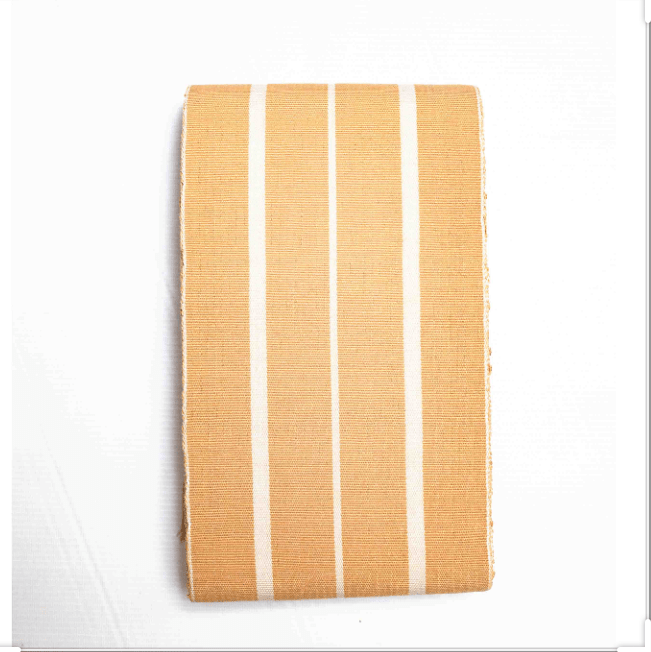
SANYAN
Etu: Etu is characterised with dark blue with white stripes. It is referred to as king of clothes. It is also for the rich
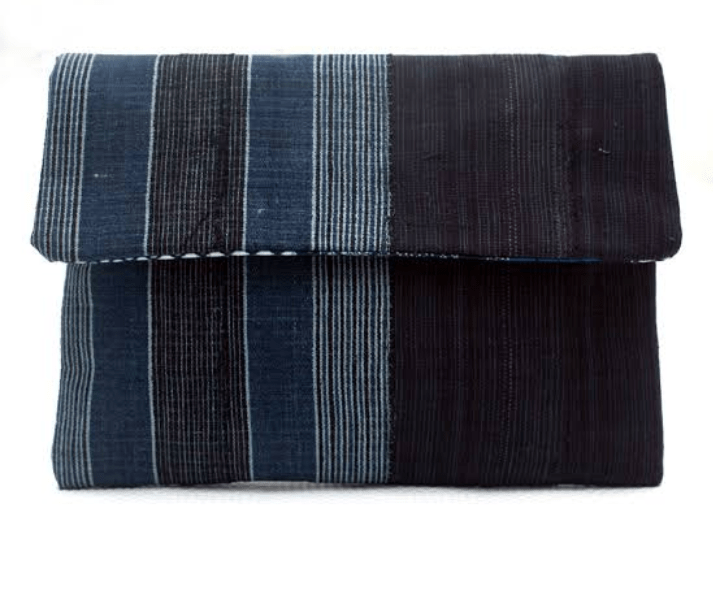
ETU
Alaari: alaari is crimson in colour. It can be red, purple or magenta. In those days, Alarii is seen as the last choice, after Etu, for the rich.
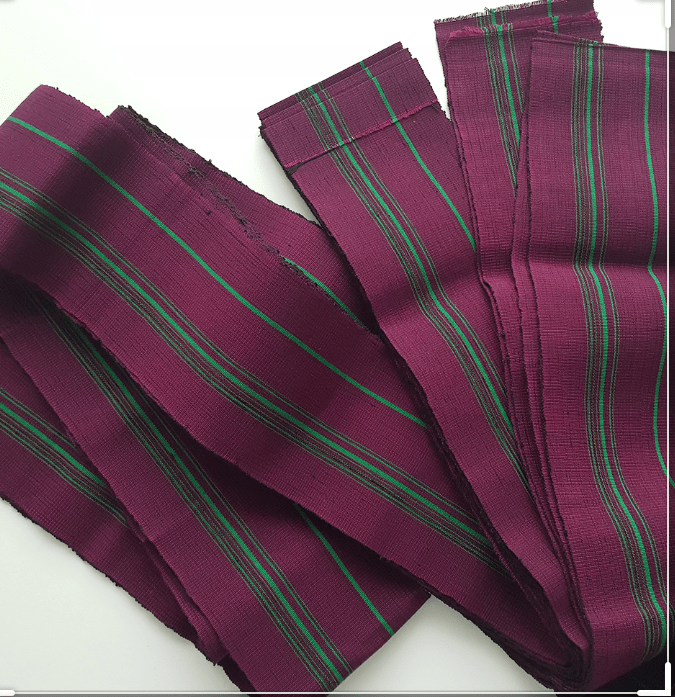
ALAARI
Kijipa: there is a Yoruba adage that says; “kijipa aso ole, Ofi aso agba, agba ti ko rowo r’ofi, ko ra Kijipa”. The interpretation of the adage is that Kijipa is a lazy man’s cloth; it is a cloth for the commoners. Kijipa is also called ‘akogi ma faya’ because it does not get worn out easily.
There is hardly any household in iseyin, where they do not weave Aso-oke. In fact, many of the weavers are educated but prefer weaving Aso-oke to white collar job because of the return Aso oke yields. Aso-oke weaving in Iseyin is not segregated to a particular gender or age, as women and children are not left out of it. When a child is of the age of six/seven, the child is old enough to start learning Ofi weaving.
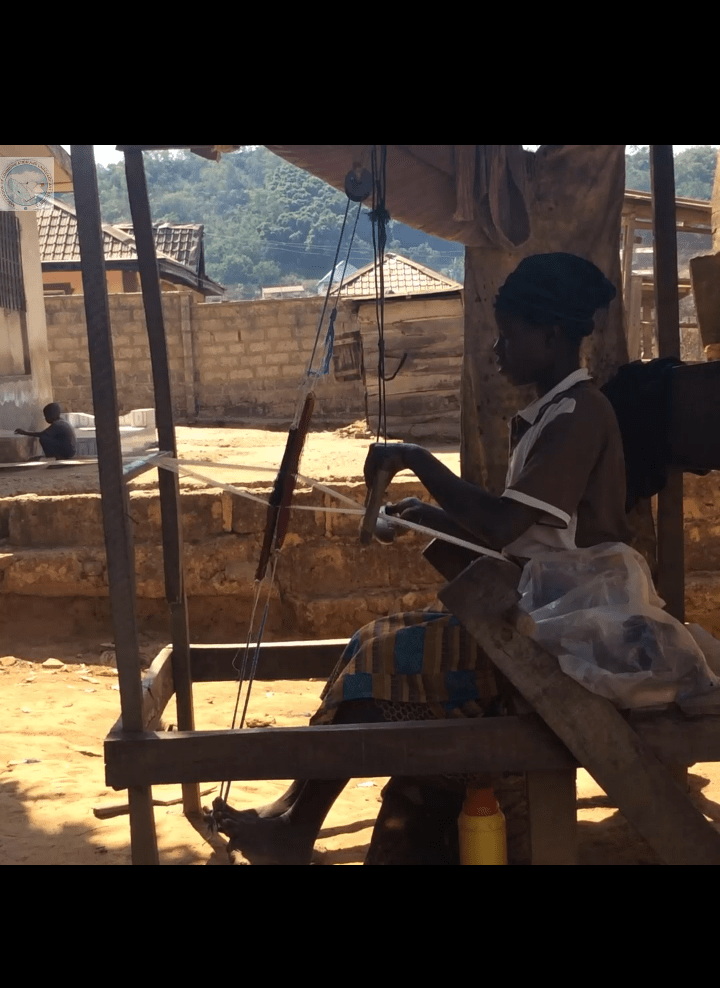
WOMAN WEAVING ASO-OKE
People from within and outside the country come to iseyin to buy Aso-oke. This is not only because it is affordable but also because the quality of the aso-oke made in iseyin cannot be met in other places. Therefore, it is safe to say that the Aso-oke used for most Owambe within and outside Nigeria was made in Iseyin, the home of Aso-oke.
 smartshopper